
Why the Break Feels So Long
Halftime used to be a simple pause. Today, it often feels like the slowest part of the event because fans want constant action and instant access to something entertaining.
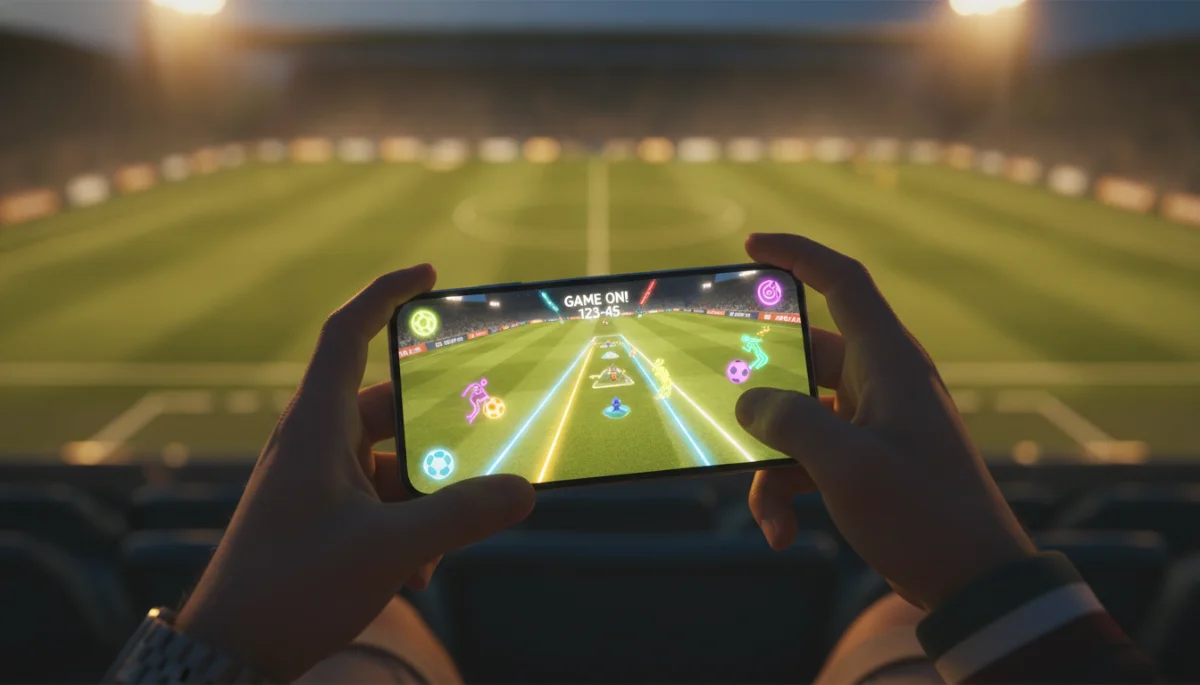
Quick mobile games fill that gap. They give fans something to do during commercials, analysis, or seat-side downtime without pulling attention away for long.
What Makes These Games Work
- Fast start: Fans can open a game and begin playing right away.
- Simple controls: The best options need little or no explanation.
- Short rounds: Each session fits into a few spare minutes.
- Repeat appeal: Players can jump back in for another quick try.
That formula is why hyper-casual puzzles, lightweight sports games, and spin-style games perform well in short windows. They are easy to understand and easy to stop when the action returns.
Why the Phone Wins at Halftime
Mobile technology has made these quick sessions more practical. Faster networks, stronger stadium Wi-Fi, and lower-lag game design help reduce delays that once made in-venue play frustrating.
Just as important, these games offer a sense of control. Fans cannot influence the match itself, but they can still make choices, score points, and complete a challenge during a passive break.
How Teams and Broadcasters Use Them
- Prediction features: Fans answer trivia or guess outcomes tied to the game.
- Reward offers: Mini-games can unlock discounts or exclusive perks.
- Fantasy check-ins: Supporters quickly review lineups, stats, or updates.
These tools turn halftime into an engagement window instead of empty time. They also help clubs and media partners keep fans connected between the first and second halves.
Where It May Go Next
The next step could be even more interactive. Augmented reality, location-based features, and tighter live game integrations may make halftime play feel even more connected to the stadium experience.
For now, the trend is clear: fans want something fast, familiar, and entertaining while they wait. Quick mobile games deliver exactly that.